Transform your legs with state-of-the-art varicose veins treatment.
Varicose Vein Clinic in Melbourne
With 20+ years’ experience, Vein Health Medical Clinic provides expert treatment of your varicose veins, spider veins, and venous disease. We offer the latest non-surgical treatments for proven relief, delivered in a relaxed, friendly, and professional clinic environment. Established by leading phlebologist Dr Peter Paraskevas, Vein Health is committed to providing patients with the highest level of care and varicose vein treatment in Melbourne.
Why choose us?

Fast, easy varicose veins treatment. Walk-in, Walk-out.

Talk directly to your phlebologist (vein doctor).

Ultrasound examination & tailored varicose veins treatment plan.

Comprehensive aftercare
and follow-up.
Leg Vein Conditions
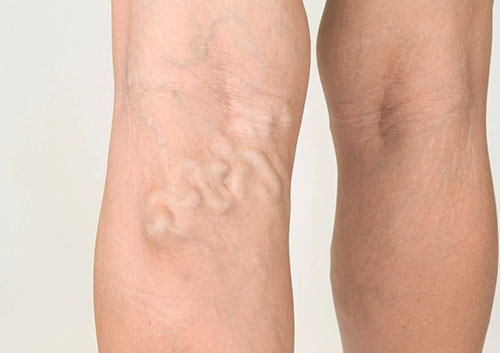
Varicose Veins
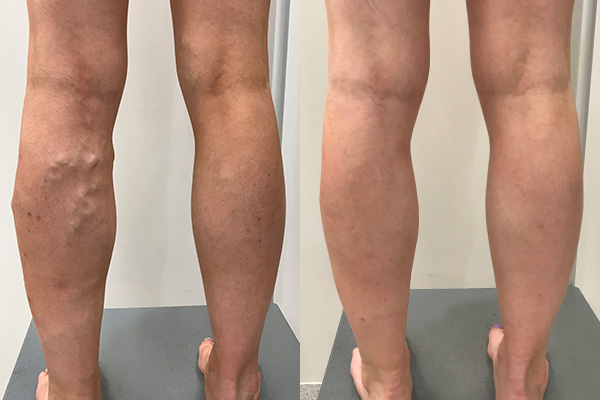
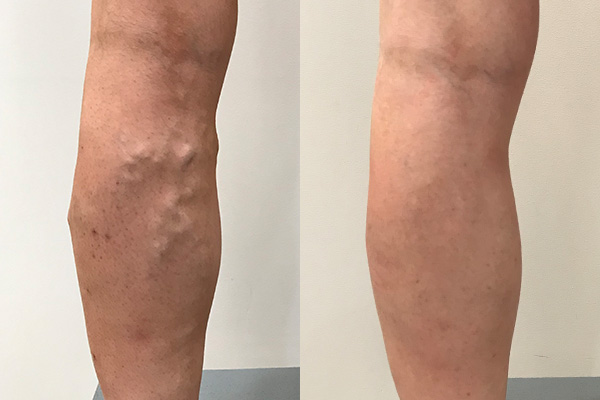
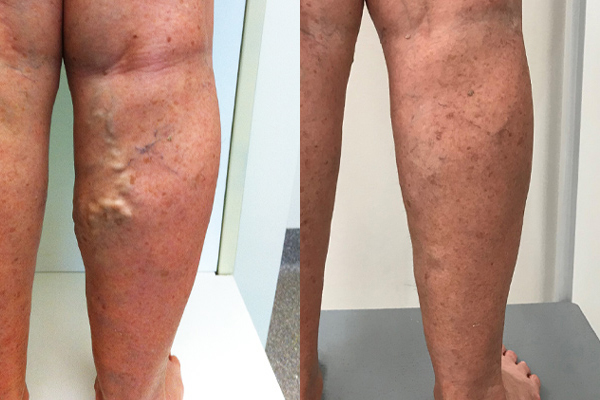
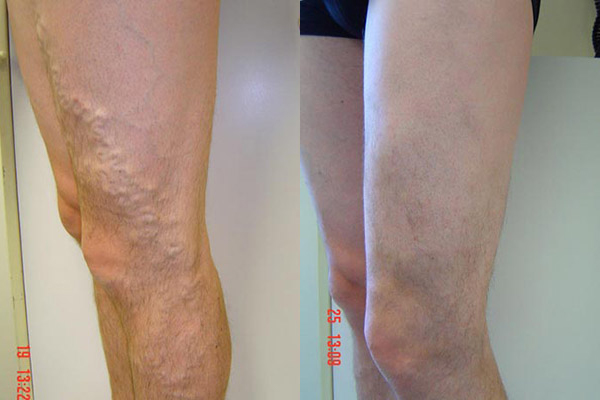
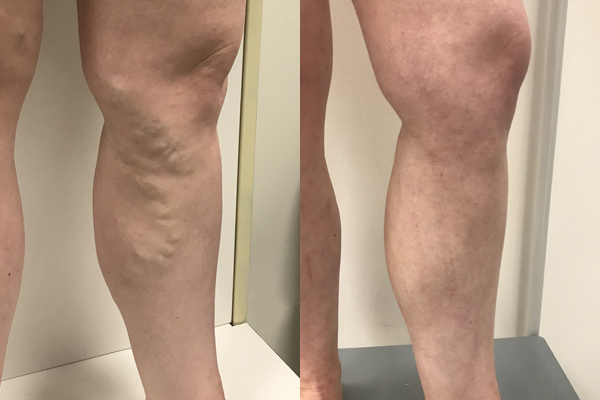
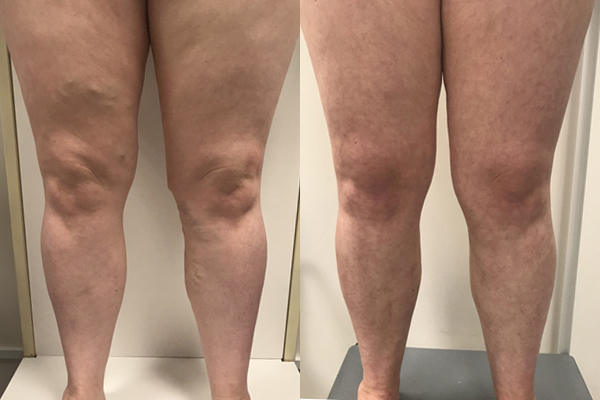
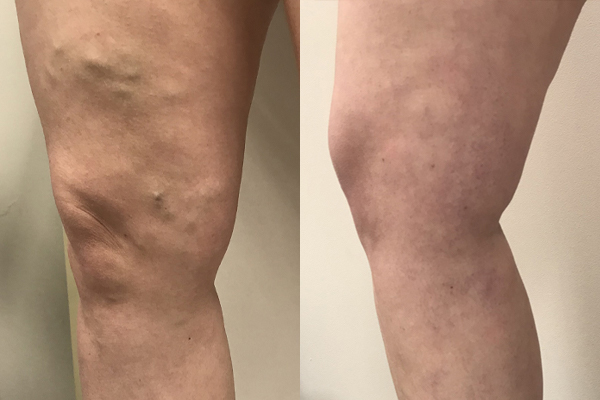
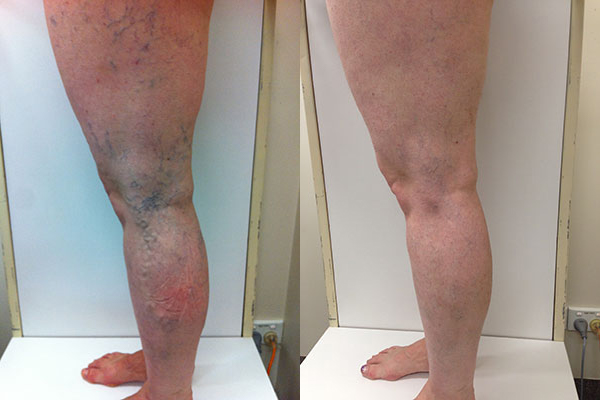
These are large, dilated, ropey leg veins that bulge above the skin surface, and are usually blue or green in colour. They no longer serve the primary function of veins, which is to return blood to the heart. Varicose veins can occur alone or may be accompanied by symptoms of severe venous disease
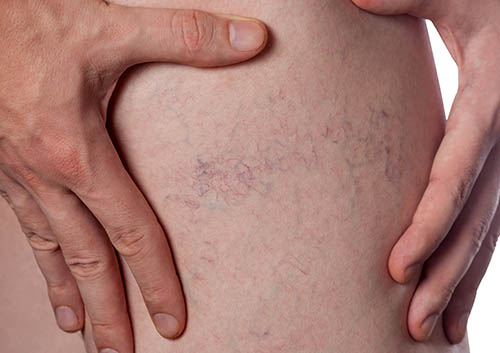
Spider Veins
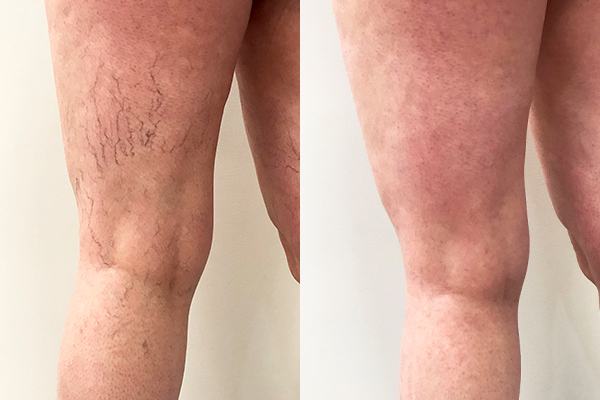
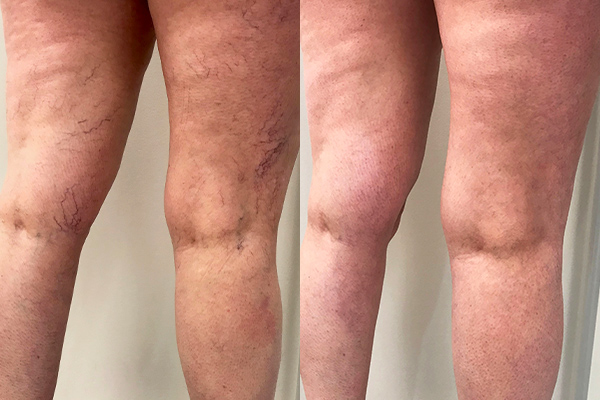
Spider veins (or telangiectasias) are the tiny red or blue veins that can appear anywhere on the body, but more often on the legs, ankles, face, chest, or abdomen. Spider veins are extremely common and usually appear with larger dilated blood vessels (often blue / green in colour) called reticular veins
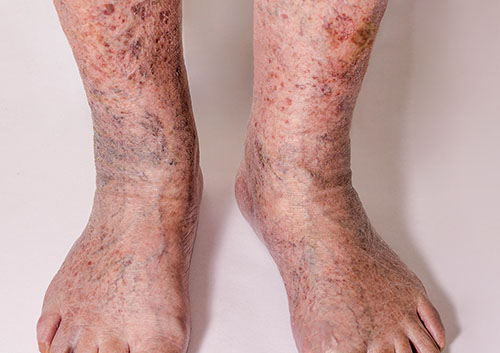
Severe Venous Disease
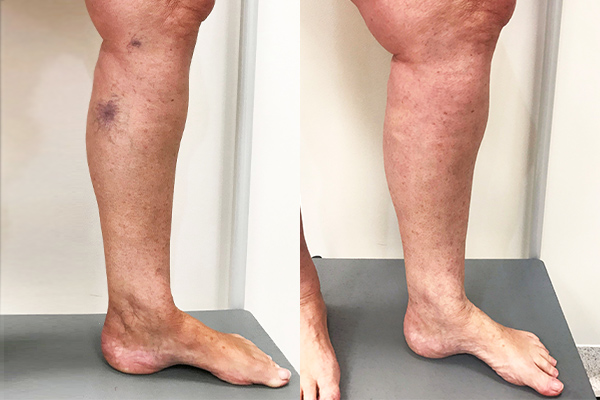
If varicose veins are left untreated, severe venous disease may occur. This condition may have signs such as eczema and swelling in the leg. Or, the skin around the lower leg may become discoloured, thickened or even ulcerated.As well as this, patients can experience heaviness, aching and tiredness in the leg.
What to expect
Learn all about your first appointment, what's included, and how much it will cost.
The Experts at Vein Health Clinic
Lisa Shrimpton
Vascular Sonographer
Varicose Veins Treatment Procedures
Vein Health vein clinic provides modern medical procedures for the treatment of varicose veins, spider veins, and leg ulcers. We provide a comprehensive approach to varicose veins diagnosis and treatment; using ultrasound scans to find the root cause of the varicosities leading-edge and reliable non-surgical techniques.
Varicose veins can be treated using: Sclerotherapy, Ultrasound Guided Sclerotherapy, Endovenous Laser Ablation (EVLA), Vein Glue, Radiofrequency Ablation, or Ambulatory Phlebectomy.
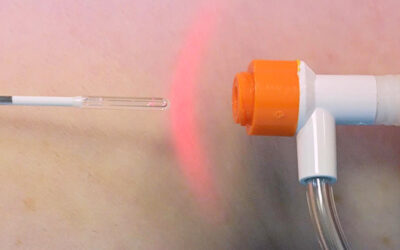
Endovenous Laser Ablation (EVLA)
Under ultrasound guidance, a laser fibre is placed into the abnormal vein through a tiny incision. When the laser is activated and the fibre is slowly removed, this produces a reaction in the vein wall along the treated section, resulting in collapse and sclerosis of the vein wall with minimal discomfort.
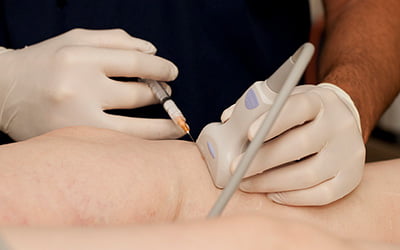
Ultrasound Guided Sclerotherapy
Ultrasound Guided Sclerotherapy is a highly specialised procedure involving injecting a sclerosant solution into the abnormal veins using ultrasound guidance, causing the vein wall to collapse. The veins dissolve and disappear as the body gradually absorbs them.
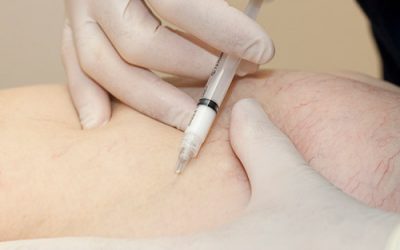
Sclerotherapy
The gold standard treatment of spider veins is sclerotherapy, also known as microsclerotherapy or direct vision sclerotherapy. It involves the injection of an irritating solution, through a tiny needle into the spider veins which causes them to close over and harden over.
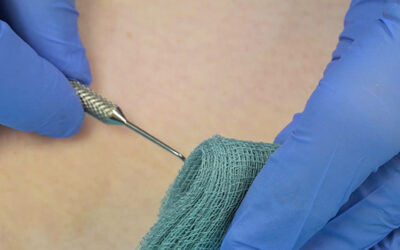
Ambulatory Phlebectomy
Ambulatory Phlebectomy is the surgical removal of visible varicose veins, through keyhole incision. The procedure eliminates varicose veins through a series of small punctures (as tiny as 1mm) made in the skin adjacent to the vein.
A Beginner’s Guide to Varicose Veins
One of the things I love most about what I do is helping people understand what’s actually going on with their legs. So that’s exactly what I’m going to do here.

Who Is a Candidate for Varicose Vein Procedures?
Not all visible veins require treatment. The decision depends on your symptoms and how your veins are functioning beneath the surface.

Best treatment for varicose veins in 2026
For a long time, there was only one way to reduce varicose veins, a procedure known as stripping. Thankfully, there are much better options today that are non-invasive. The type of vein problem you have will determine the options that are available to you.